
CrownCharter Guides · 5 min read
Transporting Fragile and Delicate Items by Road
By CrownCharter Editorial Team · Published
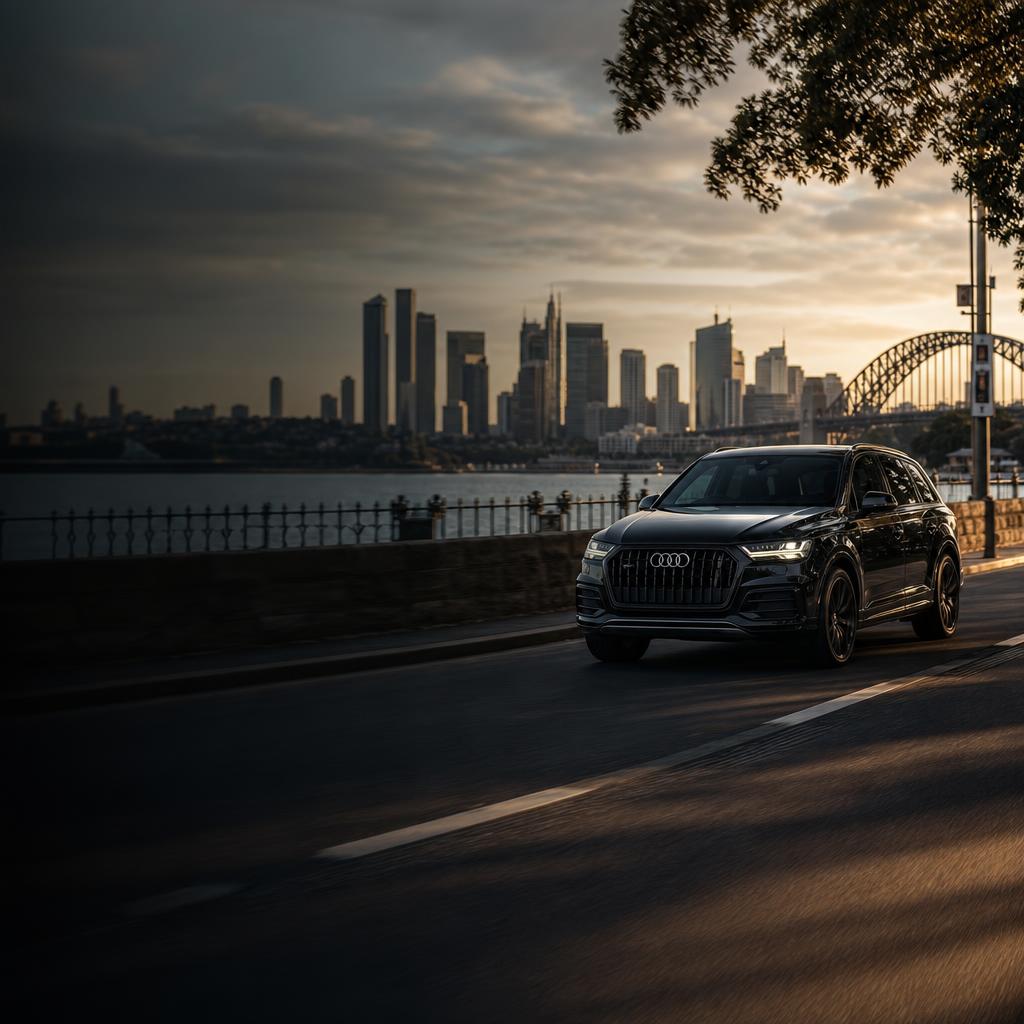
Not every fragile item belongs in the back of a passenger vehicle. A framed artwork, instrument or ceremonial object may be small enough to travel with you, while a large antique cabinet needs a specialist removalist. Before choosing transport, identify what the item is, what makes it vulnerable and whether it can be safely packaged and secured without crowding passengers.
CrownCharter considers selected delicate cargo on delicate cargo transport enquiries, subject to the item, route and available vehicle. This is a tailored private-road arrangement, not a blanket acceptance of all freight. Confirm scope, handling and any applicable terms directly before relying on a booking.
Document dimensions and handling needs
Record the item's height, width, depth and approximate weight in its final packaging, not just its bare dimensions. Note whether it must remain upright, is temperature-sensitive, has projecting parts or cannot be stacked. Share photographs when requesting a quote, but avoid including addresses or personal information in images unnecessarily. An object that technically fits through a door may still be impossible to secure properly in the cabin.
Make an inventory of related pieces such as stands, cases or detachable parts. If an item requires two-person lifting, specialist mounting, a climate-controlled vehicle or a crate built to specification, say so up front. A standard chauffeur vehicle may not be suitable; use a specialist art handler, instrument mover or removals company where the handling demands exceed passenger-vehicle capabilities.
Pack for vibration, braking and loading
Choose protective materials appropriate to the object rather than relying on a blanket alone. A rigid fitted case can protect an instrument; padded corners and a properly sized box can protect a frame. Keep surfaces from rubbing against each other, fill voids without applying pressure to fragile areas and label the correct orientation clearly. Follow any manufacturer's care instructions.
Take condition photographs before packing and note any existing marks for your own records. Check that the case or box closes securely, then plan how it will be carried through doors, steps and the vehicle opening. Do not use the passenger compartment as an unsecured stack of parcels: items need a safe loading position that will not obstruct visibility, exits, seats or restraints.
Plan a handover at both ends
Confirm who will present the item for collection and who will receive it at the destination. Share access details such as stairs, loading restrictions and legal stopping points; do not assume a driver can park beside the entrance. Discuss whether you will travel with the item, what stops are planned and who is responsible for packing and unpacking.
For an interstate road transfer, add realistic time for loading, breaks and delivery access. Check whether a fragile object can remain secure alongside all passengers, child restraints and luggage. If moving home with the family, our family, pets and luggage guide explains why these competing space needs should be counted before choosing a vehicle.
Know when to choose a specialist
Passenger transport is not a substitute for household removals, museum-grade art logistics or hazardous-material carriage. Ask a specialist about valuable pieces requiring custom crates, white-glove installation, controlled conditions or formal chain-of-custody procedures. Do not send dangerous goods or prohibited items in an ordinary passenger transfer. If you need cover for loss or damage, ask what terms apply and arrange any separate cover you require; do not assume insurance is included.
To enquire, provide the route, date, item description, packed measurements and weight, photos where useful, access conditions and any accompanying passengers. CrownCharter can review the request and confirm whether a suitable vehicle and arrangement are available, then provide an individual quote. If it is not a safe fit, choose an appropriately equipped specialist rather than forcing the load.
Discuss a delicate-item transfer
Send the route and packed item details for an assessment of vehicle fit, handling and a tailored quote.
Enquire about delicate cargo