
CrownCharter Guides · 6 min read
Why Private Road Transport Can Be Better for Your Dog Than Flying
By CrownCharter Editorial Team · Published
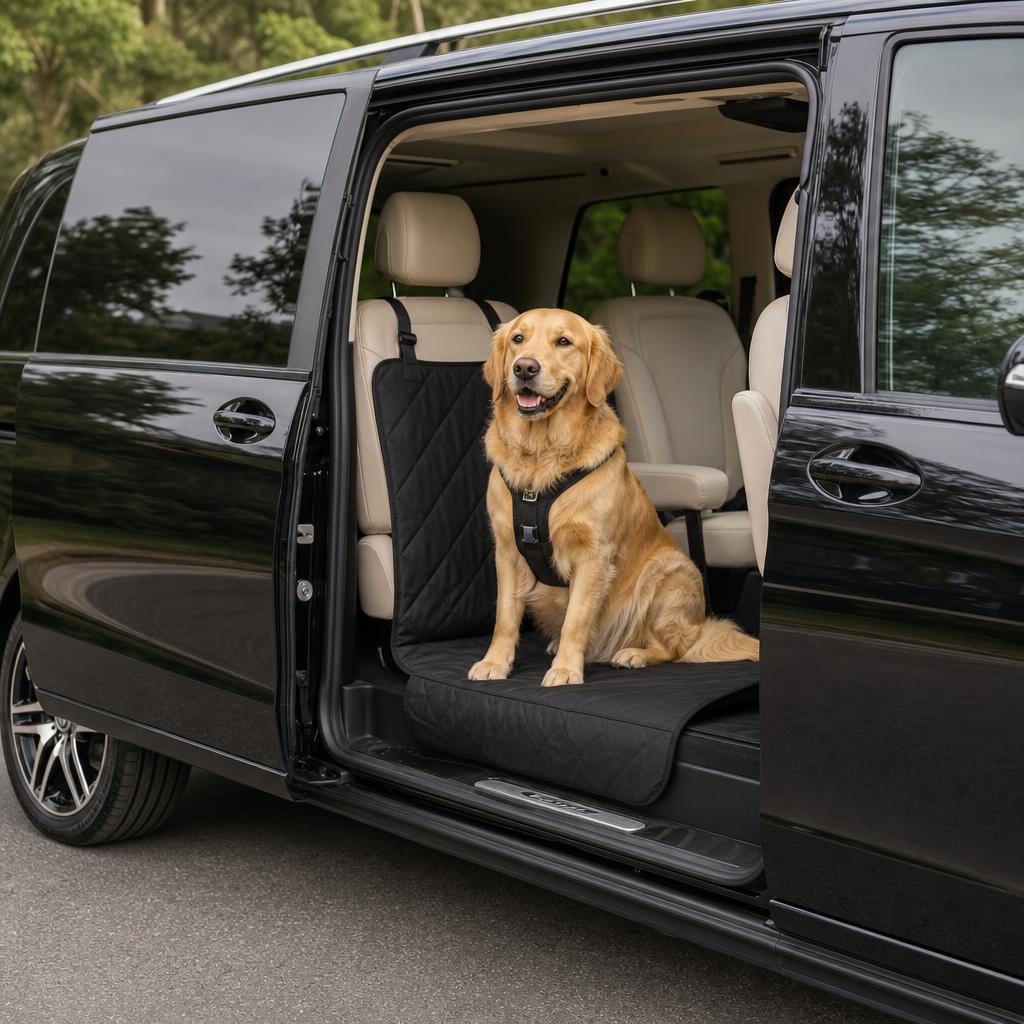
For a dog, moving interstate is not just a change of address. It can mean unfamiliar sounds, disrupted routines and time away from the person they trust. A flight may be the quickest way to cover the distance, but the flight itself is only one part of the experience: there can also be travel to the airport, acceptance checks, waiting, loading and collection.
Private road transport can be a better fit when keeping a dog with its owner and adapting the journey around its needs matter more than the shortest travel time. It avoids aircraft cargo handling and allows planned breaks. That does not mean road travel is risk-free, or that every dog will find it easier. The right choice depends on the individual animal, its health and the total journey.
Travel together instead of separating at the airport
On an agreed owner-accompanied road transfer, you and your dog travel in the same vehicle. A familiar voice, scent and routine may help a dog that finds separation difficult. You can notice changes in behaviour and discuss a safe stop with the driver rather than waiting until arrival to see how your dog has coped.
This is not permission for a dog to roam the cabin or sit unrestrained on a lap. Agree on a suitable secured carrier or restraint and its position before booking. Familiar bedding can make the space more reassuring. Emotional comfort is individual: some dogs settle with their owner, while others experience car anxiety or motion sickness even on a short drive.
No aircraft cargo compartment or airport handovers
A road journey does not involve an aircraft hold. Your dog travels in the agreed, appropriately ventilated area of the vehicle, with its restraint arrangements confirmed in advance. A direct private transfer can also avoid the extra handovers involved in some airport animal-transport services.
Do not assume every dog on a flight travels in cargo: cabin eligibility depends on the airline, route and animal. Where a dog travels in the hold, its owner cannot access it during the flight. Approved live-animal aircraft compartments are not equivalent to an unventilated baggage space, but the separation and limited access still matter when considering a particular dog's needs.
Noise, unfamiliar handling and waiting can be stressful for some animals. Road transport removes those airport-specific stages; it does not guarantee a calm journey. Ask how the dog will be secured, who will accompany it and what happens if it becomes distressed.
Fewer airport procedures, not an exemption from travel rules
Air travel can involve carrier specifications, acceptance deadlines, animal documentation, breed or health restrictions and limits linked to weather or aircraft type. These rules serve a safety purpose, but they can make a move more complicated to organise. A road transfer avoids airline check-in and flight schedules, allowing collection and arrival times to be discussed around your household's needs.
State and territory entry requirements, biosecurity obligations and animal-welfare rules still apply on the road. Check the requirements for your route before committing to transport. If collecting a dog from quarantine, pickup can only take place after official release and any collection requirements have been met. Choosing a car does not bypass quarantine.
Breaks can help preserve a familiar routine
A planned road itinerary can allow water, toilet and rest stops suited to your dog. Instead of organising the day entirely around a flight, you can discuss how long the dog usually tolerates being in a vehicle and whether an overnight break would be more appropriate.
Keep dogs secured during travel and on a lead at suitable stops. Have water, waste bags, familiar bedding and any vet-advised supplies within reach. Never leave a dog alone in a parked vehicle. Feeding and medication should follow advice for your own animal, especially if it has a history of nausea or anxiety.
For a nervous dog, preparation matters as much as the vehicle. Short practice trips and gradual familiarity with a carrier or harness may help. Do not assume leather seats or extra cabin space alone will solve travel stress; secure positioning, temperature management, a realistic schedule and the dog's individual needs come first.
Health risks deserve an individual veterinary assessment
The Australian Veterinary Association advises owners to seek veterinary guidance for proposed air travel and advises against sedating dogs and cats for air transport. It also identifies particular concerns for brachycephalic, or flat-faced, breeds. Respiratory problems and other existing conditions can complicate travel, and access to treatment during a flight is limited.
A road alternative should still be discussed with your vet where there are health concerns. Heat, stress, long confinement and motion sickness can also affect dogs in cars. Older dogs, young puppies and animals recovering from illness may need different arrangements. A chauffeur is not a veterinary professional, and a private vehicle is not an animal ambulance.
Never give a sedative or change prescribed medication simply to make a journey easier without veterinary advice. If a dog is unwell or struggling to breathe, seek veterinary care rather than proceeding with a routine transfer.
When flying may be the more practical choice
For a very long distance, a suitable direct flight may involve less total travel time than several days on the road. A dog that copes well with an approved carrier but becomes sick in cars may also need a different plan. Compare the whole door-to-door journey, not just flight time against driving time, and discuss health or behaviour concerns with your vet.
There is no single transport method that is safest or least stressful for every dog. Ask the airline or transport provider about the exact arrangements, restrictions, handovers and contingency plans. Avoid anyone promising a completely stress-free or risk-free trip.
Planning private dog transport with CrownCharter
CrownCharter considers private pet transport for dogs and cats, including interstate trips with owners travelling together, subject to individual assessment and vehicle availability. Tell us the route, preferred date, dog count and size, passenger numbers, carrier dimensions, luggage and any special requirements when discussing your quote.
Unaccompanied requests are assessed separately; do not assume they are accepted. Before booking, agree on seating and restraint arrangements, comfort stops, realistic timing and what the written quote includes, such as tolls, fuel and GST. Our interstate pet travel checklist covers the practical preparations in more detail.
Start with your mobile number in the pet transport enquiry form, or enquire via WhatsApp. We can then discuss whether private road travel is a suitable option for you and your dog.
Further reading
For veterinary guidance, see the Australian Veterinary Association's policy on medication of dogs and cats for air transport. This article is general information, not a veterinary assessment. Confirm current airline and government requirements for your particular journey.
Keep your dog’s needs part of the travel plan
Leave your mobile number or enquire via WhatsApp to discuss a private road transfer with your dog.
Enquire about dog transport